Picture Book: Foxy Chicks and Vintage Motorbikes
There is an overlap between the visual language of 1960s and 1970s rock music and the culture of vintage motorcycles. It is not coincidental.
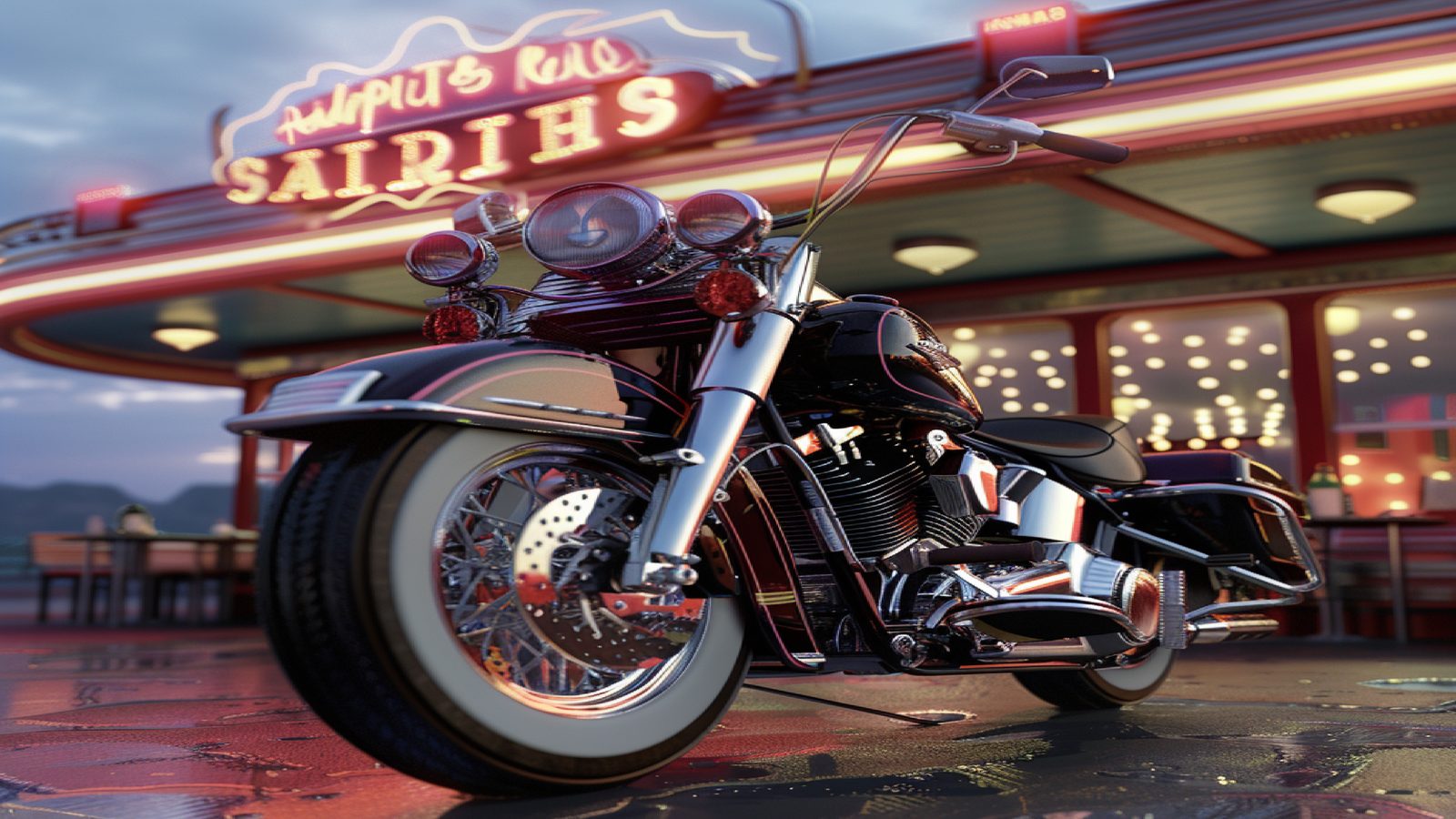
The overlap is real and documented. Go through enough rock photography from 1965 to 1975 and you will find motorcycles in a significant percentage of the images. Not as props, not as statement objects, but as things that were simply present in the lives of certain musicians, record label people, photographers, and hangers-on.
This picture book entry is about that visual grammar.
The connection
The motorcycle and rock music share an aesthetic origin. Both are about speed and freedom in a particular post-war American formulation. Both acquired cultural meaning in the 1950s that was partly about authenticity and partly about transgression against suburban normalcy.
By the 1960s, the motorcycle was firmly embedded in the visual vocabulary of the music industry. Tour photographers shot artists with bikes. Album sleeve designers used them. The Triumph Bonneville and the Harley-Davidson Sportster appear in enough photography from this period to constitute a visual leitmotif.
The images this entry covers
The photographs most closely associated with this visual territory include press and editorial shots from the period that show musicians in informal contexts with bikes. The images are not posed celebrity shots. They have the quality of contact sheets: caught, unguarded, functional.
Several musicians from the classic rock period had an active interest in motorcycles rather than a symbolic one. Bob Dylan's accident in 1966 near his Woodstock home involved a Triumph. The accident, whatever its precise cause and extent, resulted in his withdrawal from touring for nearly two years. The motorcycle is in the story as an object with consequences, not just as an aesthetic object.
The visual language
What makes these images resonate is partly the era and partly the composition. The photography of this period has a quality that modern photography rarely recovers: grain, shallow depth of field from film-era lenses, color that has aged into warmth. The chrome of a 1960s motorcycle under natural light with that kind of film stock produces something that requires no styling.
The women in this category of photography — the reference in this entry's title — occupy a specific place in the visual record. The phrase "foxy chicks" is of its time, and the category it described was real in the photography of the period. These were women who were photographed with the same quality of authenticity and the same visual grammar as the musicians and the machines. They were not absent from the images. They were central to them.
Reading these photographs now requires a dual register: the aesthetic quality is genuine and interesting, and the gender dynamics of that world are worth noting rather than ignoring. Both things are true.
The broader visual culture
The rock and roll visual vocabulary of the late 1960s and early 1970s draws on several concurrent influences: the street photography of the period, the documentary tradition, the emerging rock press photography, and the personal photography of musicians and their circles.
The motorcycle sits at the intersection of several of these streams. It appears in formal press photography, in candid personal photographs, in documentary film. It is a recurring object.
The current state of this photography is complicated by rights. Much of the most significant imagery from this period is held by estates, agencies, and archives. High-quality reproduction requires licensing that small music sites cannot typically arrange.
This picture book entry works from the aesthetic and cultural context rather than from reproduced images. The original photographs exist, are documented, and are findable in the record.
For more visual essays: Picture Book: George Harrison's Kinfauns, Picture Book: Gram Parsons, Keith Richards, and Anita Pallenberg in Joshua Tree, and the full Picture Book index.