Picture Book / One image, one essay
Picture Book
A photograph carries an argument the way a sleeve does. The Picture Book pages give that argument the room it needs.
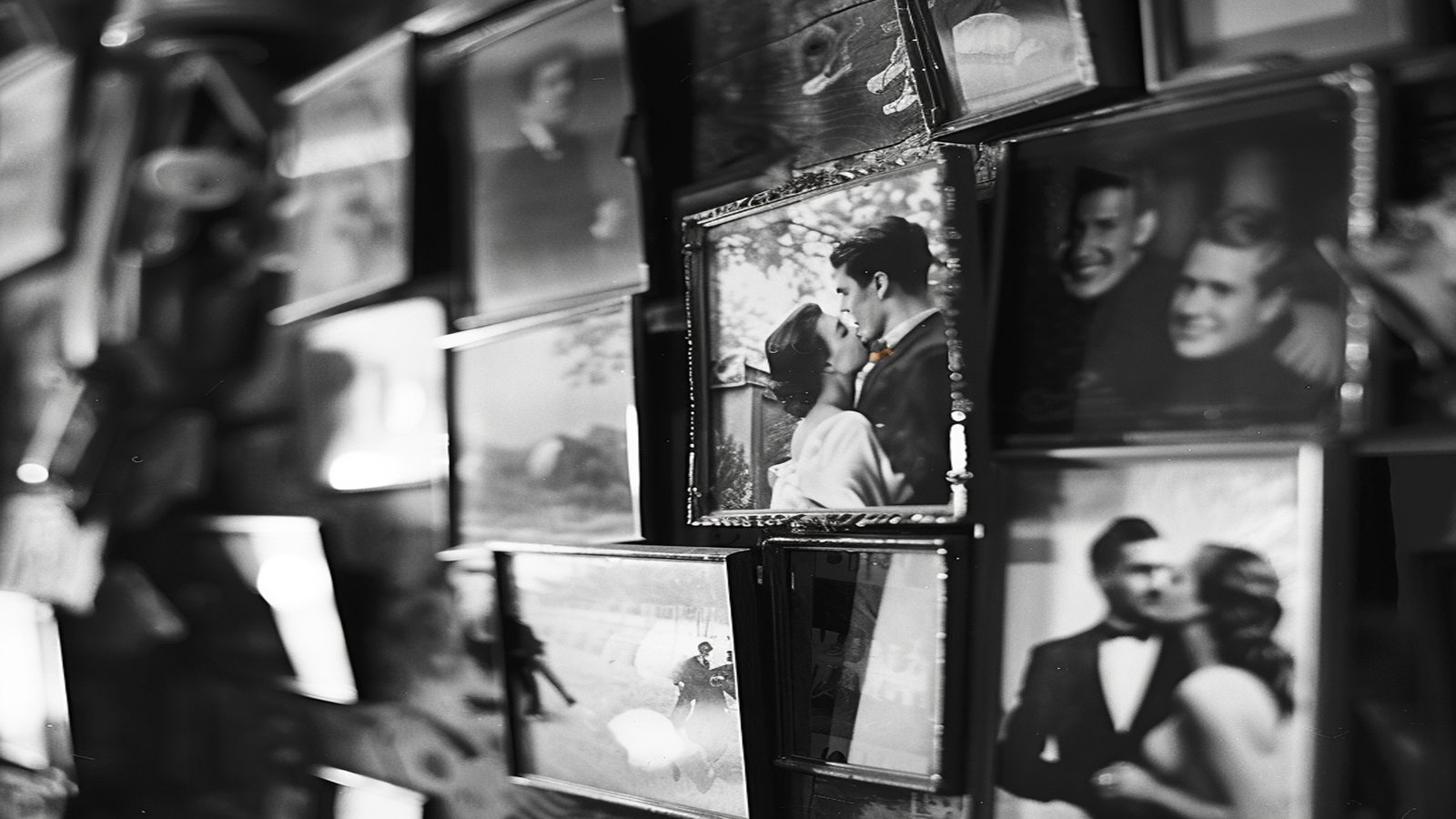
The Picture Book series is built around a single editorial rule: one image per page. Not a gallery, not a slideshow, not a contact sheet dump. One photograph, chosen because it is doing more work than its caption usually allows, then a piece of writing that takes the picture seriously as a piece of argument.
The discipline is partly a tribute to the way old music magazines used photography - one well-printed picture across a spread, with a paragraph that earned its keep - and partly a defense against the way the music web treats images as decoration.
How the Picture Book series got organised
The series tends to fall into a few clusters.
Sleeve and instrument photographs like the Kinfauns post are essentially still lifes. A guitar, a wall, a record sleeve, a tape box. The writing reads as a long caption that follows the eye around the frame.
Studio and home photographs like the Gram Parsons / Keith Richards / Anita Pallenberg image from Joshua Tree are scene pictures. They give you a room, a couch, an open window, and a few people, and the writing fills in why that room mattered.
Vernacular pictures like the foxy chicks / vintage motorbikes piece sit somewhere between editorial photography and family album. They are usually not famous photographs, and they are stronger because of it.
Group portraits like the mustaches piece play with motif rather than narrative. A handful of musicians sharing a haircut, a beard, a kind of glasses, a stance.
A starter list of pages
If you want a representative cut, these are the pieces I would point a friend at.
- George Harrison's Kinfauns for the at-home Beatle in his garden studio
- Gram Parsons, Keith Richards, and Anita Pallenberg in Joshua Tree for a scene picture that does what later memoirs only describe
- Foxy chicks, vintage motorbikes for the vernacular end
- Musicians with mustaches for motif-as-argument
- Snapshot: The Band, no. 4 where the Picture Book impulse leans into the Snapshot format
How the writing works
Every Picture Book page asks the same questions in some form.
- What is happening inside the frame?
- What is sitting outside the frame that the photograph still implies?
- Why this photograph rather than a more famous one of the same artist or scene?
- What does the picture know that the press around it didn't?
That structure keeps the prose from becoming a catalogue caption. It also keeps it honest about where the historical record stops and informed reading begins.
Why one image per page
The one-image rule started as a constraint and stayed as a discipline. Music sites tend to drown a piece in eight or ten thumbnails of dubious resolution; the eye and the writing both lose. A single well-chosen image, given room, holds attention long enough for the writing to make a real point.
It also matters legally and editorially. Music photography is rights-sensitive. The site is conservative about what it presents, replaces images that cannot be shown cleanly with paper-and-ephemera substitutes, and labels those substitutions when it does. The point of a Picture Book page is not to mass-host vintage photographs. The point is to write seriously about one of them.
Crossovers with the Snapshots room
Picture Book and Snapshots overlap. The rule of thumb on the site is:
- A Picture Book entry has a fuller piece of writing wrapped around it. The image is the object of the essay.
- A Snapshot is shorter. The image is the lead, and a paragraph or two carry the context.
Some pieces sit between the two and have always done so. The series labels them by which mode the writing is closer to, but readers should treat the rooms as one continuous shelf.
A note on image rights
The site does not rehost copyrighted music photographs without rights clearance. Where the original page used a frame we cannot host now, the page is updated with a paper, sleeve, or ephemera substitute, the writing stays, and the image manifest tracks which path was historical and which is the current substitute. That is one of the reasons the rule of one image per page is non-negotiable: it makes the editorial substitution simpler and the result more readable.
For the longer reading list, the history page is a quieter doorway into how this part of the site fits inside the whole.