Movie Lounge / Films and soundtracks
Movie Lounge
When the film is the easiest way into the music, the writing follows. Soundtrack writing is music writing here.
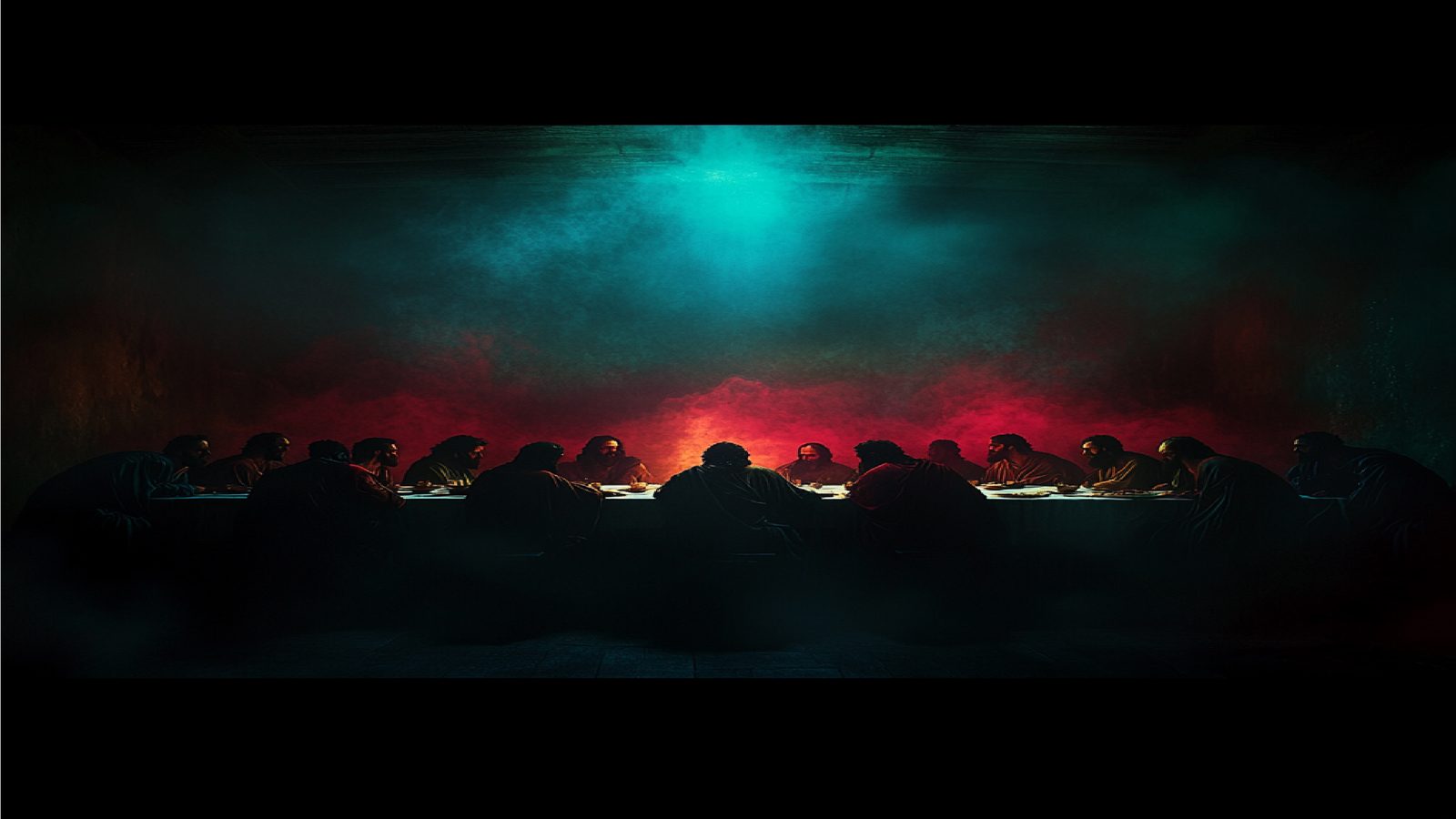
Movie Lounge is the room for film writing where the music is the reason to be in the room. Documentaries about musicians, narrative films with country-aware soundtracks, oddities scored by the right people at the wrong time. The series treats soundtrack writing as a serious branch of music criticism rather than a sidebar.
The thread runs from a long, careful reading of the 1968 documentary Inside Pop: The Rock Revolution, through Robert Altman's Nashville (paired with a separate interview with Ronee Blakley), through the absurd acid-western Greaser's Palace, through the Bob Dylan on Quest performance footage, through a Midnight Cowboy piece that asks what the soundtrack might have been if the original commission had gone the other way.
What sits in this room
The cuts you'll find here include:
- documentaries on songwriters, scenes, and labels
- film criticism where the soundtrack is the lever that opens the writing
- musical performances on television that have outlived the broadcasts they sat inside
- soundtrack histories where the more interesting story is what was almost commissioned
Suggested first reads
- Movie Lounge: Inside Pop, The Rock Revolution is the longest piece in the room and the one that most often turns up in citations.
- Midnight Cowboy's soundtrack: what might have been reads the film through the song that almost scored it.
- One for the Books: Greaser's Palace is the cut for readers who want the strangest end of the shelf.
- Movie Lounge: Bob Dylan on Quest is short, sharp, and built around television footage.
- Interviewin' Ronee Blakley on Robert Altman's Nashville sits next to this room rather than inside it, but earns the cross-link every time.
How the writing works
A Movie Lounge piece tries to do four things on its way through:
- Place the film accurately in time, place, and production context. That includes the studio, the director, the year, and the cultural surround.
- Read the soundtrack the way a critic reads a record, including session players, performance choices, mixing, and sequencing.
- Pay close attention to the moments where the film and the music diverge from each other, because that is usually where the most interesting writing lives.
- Recommend honestly. If a film is a documentary that is hard to find now, the page says so. If a soundtrack is best heard separately from its film, the page says that as well.
The aim is to give a reader something they would not get from a typical streaming-platform film page or a thin music-blog notice. The room is built for the reader who wants the long view.
A note on availability
Several of the films and broadcasts here have changed hands since the original posts were published. Some are easier to find than they were in 2010, and some are harder. Each Movie Lounge page tries to be honest about how to actually watch the film without breaking copyright; where a once-easy stream is now gone, the page does not pretend otherwise. The writing should still hold its shape on the page, even when the film itself is between editions.
Crossovers with the rest of the house
Movie Lounge pages tend to share readers with three other rooms:
- the Mixtapes room, when a soundtrack lines up with a Goes Twang or Guest Mixtape sequence
- the Interviews room, when a musician in the film also sits in the conversation series
- the Picture Book room, when a single still from the film is doing as much work as anything in the soundtrack
The cross-links inside each piece point readers to those parallels.
Where the room is going
The room expands when there is something specific to write about. New entries follow the same shape as the old ones: long enough to make an actual case, short enough to fit a careful afternoon's reading. The earlier entries hold up because they were written to be read again, not skimmed once.
If you want the quieter complement to this room, the field notes shelf gathers the more reference-shaped writing, including a folk and roots reading list with film and television entries inside it.