Guides / Reference writing for the slow listener
Guides
The reference rooms in the house. Built to be useful in five years and ten, not just this week.
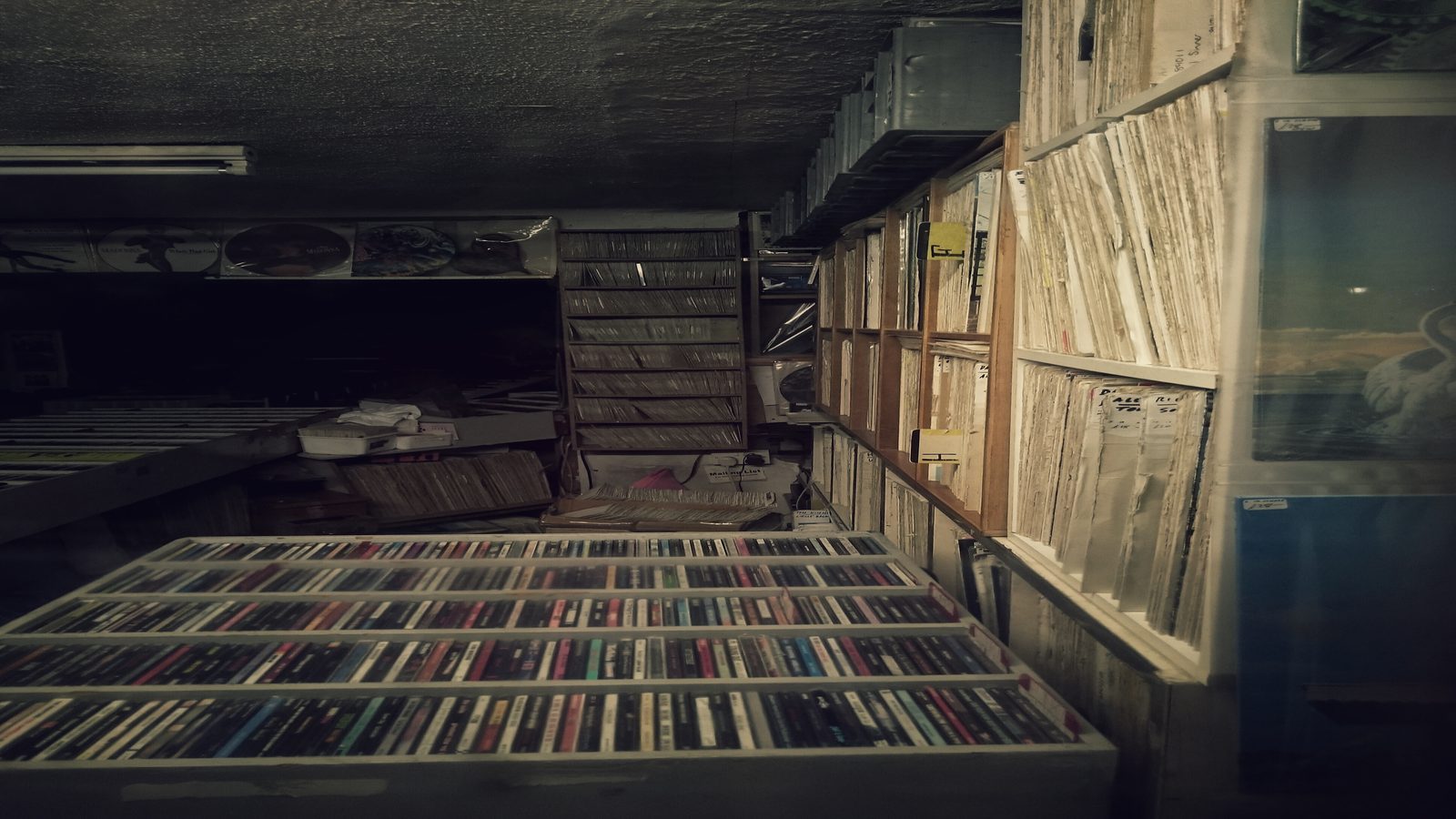
The Guides room collects the longer reference writing on the site. It is where you go when you want a working primer rather than a single essay, and where the editorial choices are intentionally slower than the rest of the house.
Three pages anchor the section.
- The American roots music primer is the gateway essay. It is the page to read first if you want a single piece that orients the rest of the listening shelf.
- The collecting vinyl field notes page is the practical companion: a non-commercial guide to building a record library that you will still be playing in ten years.
- The folk and roots reference shelf lives in the field notes room and reads as the working bibliography for the series as a whole.
How the Guides differ from the rest of the site
The rest of the house is built around individual pieces - mixtapes, interviews, snapshots, picture books. The Guides are built around long arcs. They are written to be re-read by readers who already know the basics and want to hear an opinionated map of the territory rather than a list of definitions.
That gives the Guides a slightly different voice. They are more directive. They name records and films by title without hedging, they take positions, and they explain the reasoning instead of staying neutral.
A Guide will tell you, for example, that a particular Sandy Denny record is a better starting point than the more obvious one for a particular kind of reader, and it will say why. It will say which Townes Van Zandt live record actually carries the room and which one is for completists only. It will say which Gram Parsons compilation is worth tracking down on vinyl and which one is, frankly, for the cover art.
How to read across the Guides
The most useful order, for a new reader, is:
- Start with the American roots music primer. It frames the territory and explains how the shelf is laid out.
- Move to the folk and roots reference shelf when you want a working bibliography. The shelf points to records, films, books, and radio archives and labels each entry with a sentence on what it is for.
- Read the collecting vinyl field notes once you have a clearer sense of what you actually want to listen to. The field notes assume you already know the difference between collecting for sound and collecting for resale.
The Guides cross-link densely into the rest of the site. Most pieces in the Goes Twang series, the Picture Book series, and the Movie Lounge series will be linked from at least one Guide. That keeps the reference layer connected to the editorial layer rather than running parallel to it.
Why Guides matter for this site
Music sites tend to lose their long pieces fastest. Listicles, news posts, and trend pieces survive because they get re-shared; longer guides quietly fall out of the index. The Guides on this site are written assuming the opposite economy. They are the pieces most likely to outlive their year of publication, and the pieces most likely to be useful to a reader arriving from a search five years from now.
That changes the writing in two ways. The first is that the prose is more careful with year-specific claims. The second is that each Guide is built around questions that do not date - how to listen, what to compare a record to, what to look for in a sleeve - rather than around news.
What the Guides will not do
A few things the Guides explicitly will not do.
- Affiliate links. Not at launch. Not on the Guides. The recommendations are not paid for by anyone.
- Comprehensive review aggregations. There are sites for that.
- Buyer's guides for streaming services. Streaming logistics change too quickly for that to be useful.
- Sponsored posts dressed up as Guides. Anything sponsored on the site is labelled at the top of the page; the Guides as a section will stay editorially independent of any commercial activity that might show up elsewhere later.
Where to go next
If the Guides feel useful, the next room to wander into is the field notes section, which holds the slower reference shelf and overlaps with the Guides at the edges. From there, the history page gives the wider context for how all of these rooms got laid out.
If you came directly to this page from a search, the American roots music primer is the right place to read first. Everything else is built around it.