Guide / Field notes for record collectors
Collecting vinyl - field notes
Practical notes for the kind of collector who buys to listen. Built around the questions that take a few years to ask out loud.
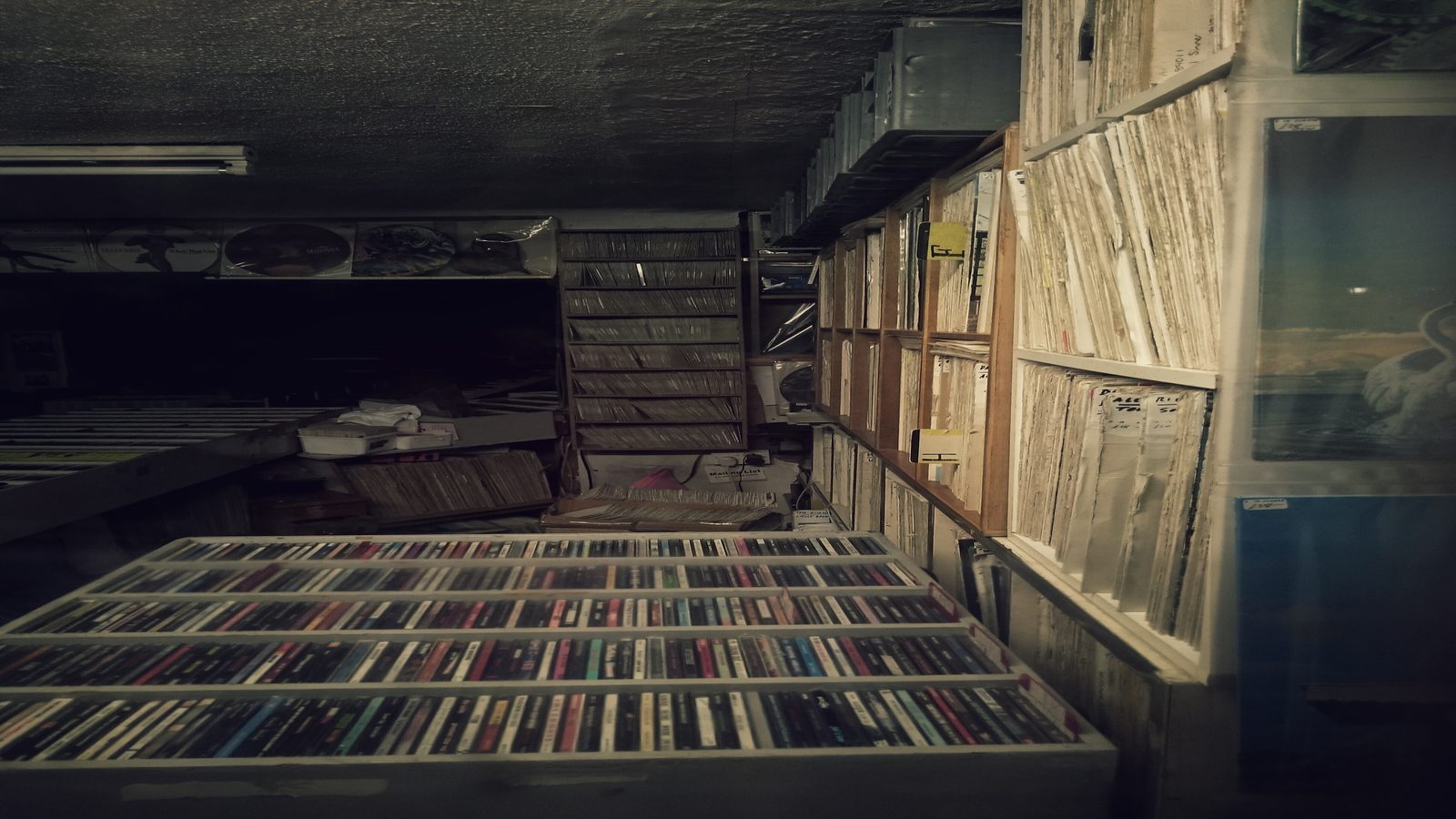
This is the field-notes page for record collecting on the site. It is written for the reader who buys records to listen to them, not the reader who buys to flip them. The two hobbies overlap but the writing here is honest about which side of the line it is on.
You will not find prices, predicted resale curves, market timing, or anything that depends on flipping records for profit. You will find a way of thinking about pressings, condition, cataloguing, and shelf habits that I have arrived at slowly and that has been useful to readers of the site over the years.
What collecting for listening actually means
Collecting for listening means picking up the third pressing of a record because it sounds better in your room than the first pressing, even though the first pressing is worth more. It means owning two copies of the same record on purpose because each one has a quality the other does not. It means letting go of the records you bought in a hurry, even when they are theoretically valuable, because they take up shelf space you would rather give to something you actually play.
A collector who buys for listening tends to think about three questions before any record:
- Will I play it through, end to end, more than twice in the next year? If the answer is no, it is probably a streaming record, not a shelf record.
- Does this pressing sound noticeably better than the version I can already hear easily? If the answer is no, you are paying for a paper sleeve.
- Will this record still earn its shelf space when the shelf is full? This is the slow question. It tends to retire records you bought in your first year of collecting first.
Those three are the working filter. They will not turn your shelf into a museum, and they will not give you a hedge fund. They will give you a library you actually use.
Pressings, in plain terms
A few practical notes on pressings that take years to learn the slow way.
- An original first pressing is not always the best-sounding pressing of a record. It is often the most expensive, but expense and sound separate quickly.
- Reissues from the late 1970s and early 1980s, often dismissed by collectors, are sometimes excellent. Mobile Fidelity's first run, the Direct Disk and Original Master Recording series, and a fair number of Japanese pressings from the same period sit in this category.
- 180-gram does not automatically mean better sound. The mastering and the source tape matter more than the weight.
- A clean second pressing of a popular record will frequently outperform a tired first pressing in normal listening conditions.
- For older country and folk records, regional pressings on smaller labels can be where the surprises hide. They can also be where the disappointments hide. Buy carefully.
The honest version of this section is that no general rule beats actually listening to the record on your own equipment. The notes above are starting points, not verdicts.
Condition, without the grading drama
Most records you will buy at a shop are graded by someone with a generous eye. Some are graded honestly. A small number are graded conservatively. Treat printed grades as suggestions and play the record before you commit it to a shelf.
A few things matter more than grade.
- A clean cleaning. A record that has been kept in a dirty sleeve for thirty years and then washed properly will play much closer to a new one than people expect.
- Inner sleeves. Replace the paper sleeves on anything you intend to keep. Nothing destroys records like a worn paper sleeve.
- Storage. Vertical, not stacked. Out of direct light. Reasonable temperature. Almost everything else is detail.
- A turntable that tracks correctly. A miscalibrated tonearm will damage records faster than any storage problem.
If you are new to collecting, spend money on cleaning and on a properly set up turntable before you spend money on the records themselves. The records last longer that way, and your judgement about their condition gets better.
Cataloguing without making it a second hobby
A small number of collectors enjoy cataloguing for its own sake. Most do not. The middle path looks like this:
- Keep a running list. Plain text is fine. A spreadsheet is fine. The format does not matter.
- Note the pressing where it matters and skip the detail where it does not.
- Mark which records you have actually listened to in the last twelve months. After two years that column will tell you which records to let go.
- Do not try to capture every variant. You will burn out and stop.
For external reference, the Discogs database is the most useful free catalogue on the open web for record details, label numbers, and pressing variants. It is not a buyer's guide and it is not a price guide. It is a reference work, and it is the one I use when I want to confirm a pressing detail without leaving the room.
How to use the rest of the site as a buying filter
The Goes Twang sequences on the site, the picture book pages, and the field notes shelf all double as buying filters. A short example.
- The American roots music primer lists the small starting shelf. Buy those first. Buy them used.
- The folk and roots reference shelf lists the wider bibliography. Buy those records second.
- The George Harrison Goes Twang and Bruce Springsteen Goes Twang pages will point you at less obvious records inside familiar catalogues.
- The Picture Book entries, especially the Kinfauns and Joshua Tree pieces, are the visual cues for the kind of pressing where the cover work matters.
The site's writing is not a buying guide. It is a listening guide. But the records it points at are the ones I would pick up, in the same order, if I were rebuilding a shelf today.
A short list of habits worth keeping
Three closing notes.
- Buy slowly. The records are not going anywhere. The shop you want them from probably is.
- Listen before you shelve. A record that goes straight into the rack without a play almost never gets played.
- Let go of what you do not return to. The shelf gets stronger when the bottom 10% leaves once a year.
If you came to this page from a search, the next page to read is the folk and roots reference shelf. It is the page that turns this guide into specific records.