Guide / Reference essay
An American roots music primer
The entry essay for the listening shelf. Built to be re-read in five and ten years, not just this week.
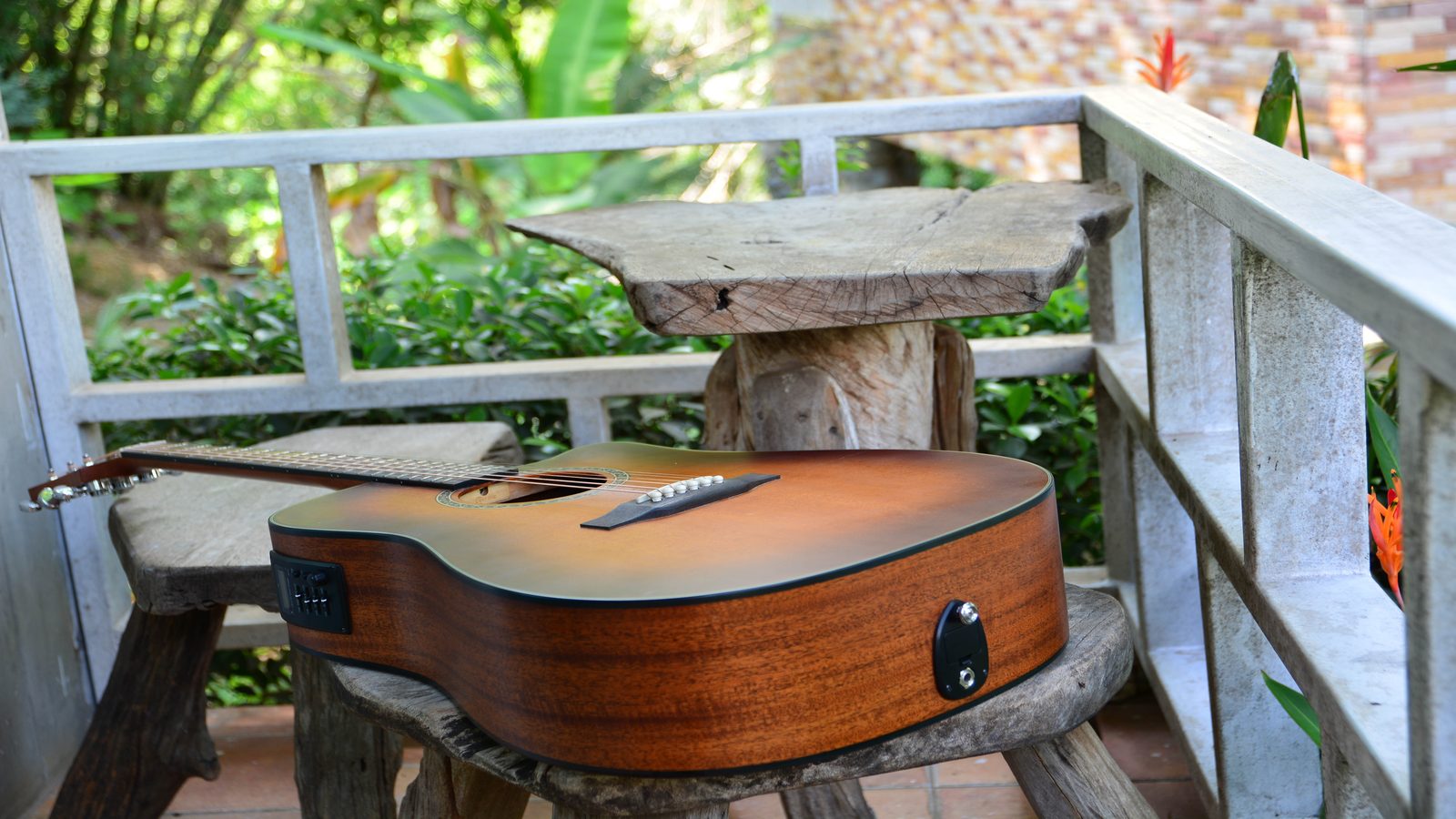
This primer exists because every other room on the site assumes that the reader already has some idea of what American roots music is. That assumption is fair on most pages and unfair as a starting point. So this is the page where the assumption gets unpacked.
The aim is not to define American roots music. The label is too loose for that, and a clean definition would lose the part of the music that matters. The aim is to give a reader a working shelf - a small set of records, films, books, and ideas that, once known, will let the rest of the site read as one continuous argument rather than a stack of separate posts.
What the term covers, in practice
In the way the site uses it, American roots music covers four overlapping bodies of work:
- the older country, blues, gospel, and string-band traditions that record collectors of a certain stripe still call "old-time"
- the singer-songwriter and folk-revival lineage from the late 1950s through the early 1970s, which is the most heavily documented strand
- the country-rock and alt-country tail that ran from the late 1960s through the 1990s, including the Laurel Canyon scene, Gram Parsons, the Eagles' first two records, the early Emmylou Harris run, and the entire post-Uncle Tupelo wave
- the contemporary Americana scene, which is loosely the descendant of all three and which has been the most commercially named-and-marketed of the four
You can argue with any of those boundaries. Most working musicians inside them do. The site treats the term elastically on purpose. What matters is that the music in those four strands shares listening habits more than it shares chord changes.
A short reading list of records
If you read only this section, the records below are a fair starting shelf. None of them are obscure choices. All of them reward repeated listening more than they reward a single play.
- The Band, Music From Big Pink and The Band. Two records, written and recorded inside roughly a year of each other, that did more to invent the modern Americana sound than any other pair on this list.
- Gram Parsons with the Flying Burrito Brothers, The Gilded Palace of Sin, then Parsons' two solo records GP and Grievous Angel. Read the story behind The Return of the Grievous Angel for the long form on the title song.
- Emmylou Harris, Pieces of the Sky and Elite Hotel. Both should be heard before any of the later, slicker records.
- Bob Dylan, John Wesley Harding and Nashville Skyline, then Blood on the Tracks and Desire. The Dylan side of the shelf is where the Dylan Goes Twang sequence on the site comes from.
- Neil Young, Harvest and On the Beach, with Comes a Time as the gentle bookend. The Tribute to Neil Young pictures piece reads well alongside.
- Townes Van Zandt, Live at the Old Quarter, Houston, Texas. The studio records are stronger than they are usually given credit for, but the live record is where the writing on the page sounds most like itself.
- Gillian Welch, Time (The Revelator). Picked here as the cleanest contemporary anchor for the older strands.
That list is short by design. A long list is easier to write than a short one and harder to use.
A short reading list of films
The Movie Lounge room has the long-form pieces. The films below are the ones I would tell a new reader to watch first because they teach the listening as efficiently as anything else.
- Inside Pop: The Rock Revolution (1968). The site has a long reading of it.
- Nashville (1975), Robert Altman. The Ronee Blakley scenes carry the country argument. The site's interview with Blakley is the companion piece.
- Heartworn Highways (1976). The Townes Van Zandt and Guy Clark scenes are the lasting ones.
- The Last Waltz (1978). Familiar, but worth seeing again with the What Would Levon Helm Do mixtape running alongside.
- No Direction Home (2005), Scorsese on Dylan. Pair with the site's Dylan archive.
A short reading list of books
Books matter for this music more than they do for most genres because the better records came out of writing communities as much as out of studios.
- Greil Marcus, Mystery Train. Old, still essential, still wrong about half of what it is most certain about, and still better company than most of what came after.
- Peter Guralnick, Lost Highway and Sweet Soul Music. Both for the writing as much as the research.
- Robert Hilburn, Johnny Cash: The Life. The Cash auction items piece reads as a footnote to it.
- Levon Helm, This Wheel's on Fire. The Band from the inside.
- Sandy Denny, No More Sad Refrains by Clinton Heylin, for the British folk crossover.
How the rooms on this site fit the shelf
If you have read this far, the rest of the site falls into a recognisable map.
- The Mixtapes room is the long-running argument that any of the records above has a country side worth reading carefully. The Goes Twang series is built on that premise.
- The Interviews room is the conversation layer. It is the closest the site gets to oral history.
- The Picture Book and Snapshots rooms are the visual companions. Music photography here is treated as music writing.
- The Movie Lounge is where the soundtrack writing lives.
- The Folk and Roots Reference Shelf is the working bibliography. It is where you go when you want the long list.
A short outside link
For a single reference outside the site that pairs well with this primer, the Smithsonian Folkways collection of American Folklife recordings is the single best public archive of older field recordings on the open web. It is not a streaming service, it is not a record shop, and it does not pretend to be neutral. It is the reference body of recordings that most of the records above came out of.
Where to go next
The next page to read, after this one, is the folk and roots reference shelf. Together they form the entry pair for the Guides section. The collecting vinyl field notes page is the practical companion that comes after them.